Quick answer: The sturdiest crochet stitch for bags is the single crochet thermal stitch, followed closely by the waistcoat stitch (center single crochet) and dense regular single crochet worked with a smaller hook. For straps and bag bases that carry weight without stretching out of shape, thermal stitch creates a thick double-layered fabric that resists vertical elongation. Pairing these compact stitches with non-elastic mercerized cotton or braided cord prevents totes from sagging when loaded with books, groceries, or everyday gear.
Stitch durability at a glance
| Stitch Name | Stretch Resistance | Fabric Thickness | Best Bag Section |
|---|---|---|---|
| Thermal single crochet | Maximum (under 3% stretch) | Double thick (heavy density) | Straps, handles, and heavy tote bases |
| Waistcoat stitch (split single crochet) | Very high (under 5% stretch) | Thick, firm knit-look fabric | Structured purse bodies and firm baskets |
| Standard single crochet | High (under 8% stretch) | Medium firm, closed texture | Everyday tote bodies and zipper pouches |
| Linked double crochet | Moderate to high (under 9% stretch) | Flat, solid without tall gaps | Tall market bags and laptop sleeves |
| Spider stitch | Moderate (under 10% stretch) | Textured, dense and flexible | Slouchy shoulder totes and beach carryalls |
| Reverse single crochet (crab stitch) | Rigid (cord-like border) | Reinforced rounded edge | Bag openings, top rims, and strap borders |
What crochet stitch makes the sturdiest tote?
When makers ask what crochet stitch makes the sturdiest tote, the answer depends on which part of the bag is carrying the load. A tote bag experiences two distinct physical stresses: vertical downward pull along the shoulder straps and outward pressure across the bottom base. Thermal single crochet delivers the highest resistance to vertical stretch for handles, while waistcoat stitch and dense single crochet provide the rigid side walls needed for structured tote bags.
Why standard crochet stitches stretch under weight
Standard crochet stitches form interconnected loops of yarn. When you place heavy items like a water bottle, tablet, or wallet into a finished bag, downward gravity exerts tensile force on each loop. Tall stitches such as regular double crochet or treble crochet have open posts with lots of negative space between them. Under load, those tall open posts pull narrow and stretch downward like an accordion.
According to textile tensile principles described in ASTM D5034 test standards, looped textile structures stretch significantly more than tightly woven fabrics unless the loops are interlocked or restricted by friction. When you crochet a bag that needs to hold weight, you must select stitches that lock the yarn loops tightly against one another to eliminate internal slack.
The 6 sturdiest crochet stitches for bags
1. Single crochet thermal stitch
Thermal stitch is the gold standard for bag components that must not stretch. You create thermal stitch by inserting your hook into the back loop of the current row and the unworked front loop from the row directly below. This technique locks two physical layers of stitches together into a thick, cushioned fabric.
Because thermal stitch secures loops across multiple levels, it exhibits less than 3 percent vertical stretch under load. It creates a dense, non-curl strap that stays flat on your shoulder without cutting into your skin or stretching down to your knees.
2. Waistcoat stitch (center single crochet)
Waistcoat stitch mimics the look of classic knitted stockinette stitch while maintaining superior structural firmness. Instead of inserting your hook under the top two loops of the stitch, you insert your hook directly through the center "V" on the front post of the single crochet from the previous round.
Splitting the post forces each stitch directly on top of the one below it. This vertical stacking prevents diagonal shift and removes the horizontal stretch common in standard crochet. Waistcoat stitch works best in continuous spiral rounds, making it ideal for cylindrical bucket bags, structured tote bases, and standing project bags.
3. Standard single crochet worked at tight gauge
Regular single crochet remains one of the most reliable stitches in any maker studio. It features short posts and tight loop junctions that naturally prevent holes from forming. However, achieving high durability with single crochet requires one simple studio adjustment: drop down one full hook size from the yarn label recommendation.
For example, if your worsted weight cotton recommends a 5.0 mm (H-8) hook, crochet your bag body using a 4.0 mm (G-6) hook. This tighter gauge compacts the fiber, boosts stitch density, and stops coins, keys, or pens from poking through the fabric.
4. Linked double crochet
If you want the working speed and height of double crochet without the flimsy gaps that cause stretching, linked double crochet solves the problem. When creating a linked double crochet, you insert your hook through the horizontal bar of the previous stitch before drawing up a loop in the current stitch.
This horizontal link ties adjacent posts together from side to side. It completely closes the vertical windows between stitches, creating a smooth, flat fabric that resists snagging and maintains horizontal stability across wider tote bags.
5. Spider stitch
Spider stitch alternates a single crochet, a chain space, and another single crochet into the same spot, skipping the next stitch. In subsequent rows, you work every group into the chain-one space of the row below. This nesting geometry packs stitches into a tight interlocking pattern.
Spider stitch offers a soft, textured appearance without sacrificing integrity. It gives modern shoulder bags a stylish drape while keeping the fabric solid enough to prevent items from falling out.
6. Reverse single crochet (crab stitch)
Reverse single crochet is worked backward from left to right instead of the traditional right to left. The twisted motion binds the edge into a firm, rounded cord that looks like braided leather.
While you would not crochet an entire bag body in reverse single crochet, it is the ultimate finishing stitch for tote openings and strap borders. Working a round of crab stitch around the top edge of a tote prevents the opening from stretching out of shape when you open and close your bag.
Studio load testing: measuring stitch stretch under a 5-pound weight
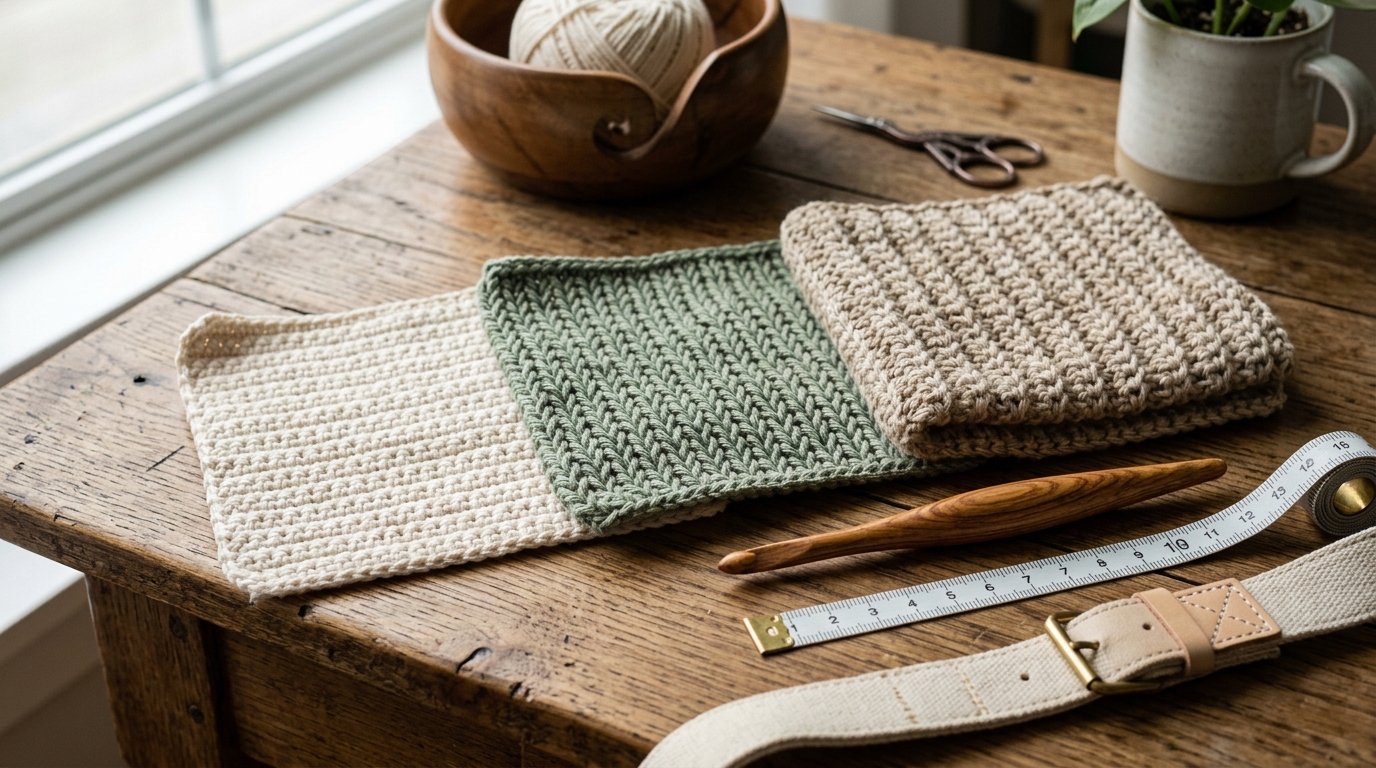
In our I'm in The Loop design studio, I tested six identical four-inch swatches made with category 4 worsted weight mercerized cotton yarn. I attached a five-pound weight to each swatch and suspended it freely for 48 hours to measure vertical elongation.
Here are the test results from our studio workbench:
| Stitch Swatch (4-inch baseline) | Length Under 5-lb Load | Total Elongation | Studio Observation |
|---|---|---|---|
| Thermal single crochet | 4.10 inches | 2.5% | Zero visible distortion; fabric remained completely rigid |
| Waistcoat stitch | 4.18 inches | 4.5% | Excellent shape retention; firm surface with tight loops |
| Single crochet (4.0 mm hook) | 4.30 inches | 7.5% | Firm fabric; minor elongation along bottom edge |
| Linked double crochet | 4.35 inches | 8.7% | Smooth surface; loops remained closed without gaps |
| Spider stitch | 4.38 inches | 9.5% | Flexible texture; recovered shape quickly once weight was removed |
| Standard double crochet (control) | 5.15 inches | 28.7% | Severe sagging; open gaps widened and loops distorted |
The control swatch of standard double crochet stretched almost 29 percent under the same five-pound load. This proves why loose or tall stitches are unsuited for load-bearing tote bags.
Matching stitches to specific bag parts
A well-designed handmade tote does not rely on a single stitch for every component. Combining complementary stitches across different zones creates a balanced, functional accessory.
For the bag base
The base carries the entire weight of your contents. Use single crochet worked in tight continuous rounds, or use the thermal stitch for an oval base. If you want maximum flatness and stability, crochet over a length of cotton rope or macrame cord to build a reinforced foundation.
For the bag body
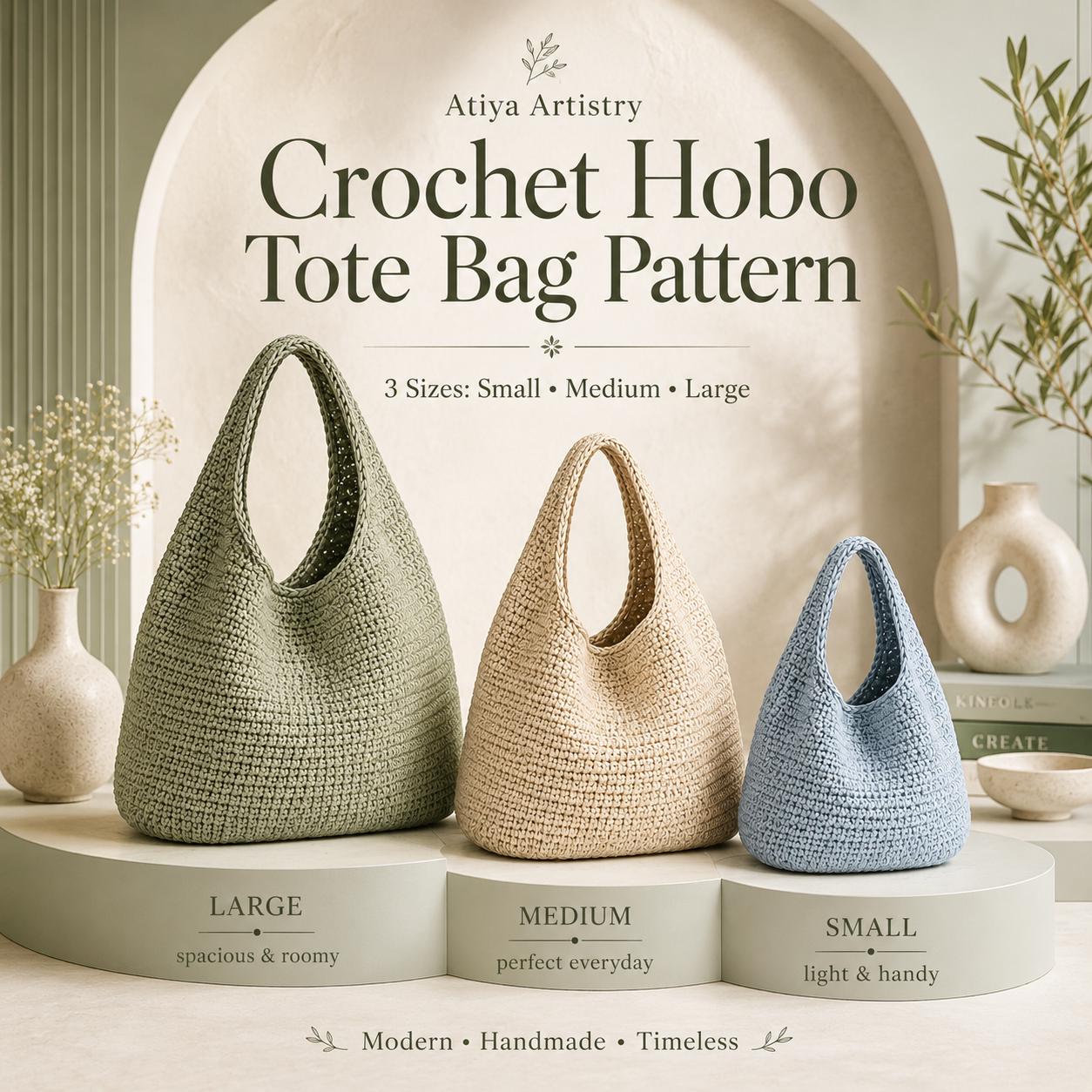
The body needs a balance between structure, weight, and speed. Linked double crochet and standard single crochet provide reliable strength without adding excessive weight. For bags with a relaxed silhouette like our Slouchy Hobo Tote crochet pattern, a controlled single crochet or textured stitch maintains drape while keeping contents secure.
For straps and handles
Never use basic chains or unreinforced double crochet for tote handles. Straps experience concentrated tension across a small area. Use thermal single crochet, Romanian cord, or single crochet worked lengthwise with a slip-stitch border. These methods prevent shoulder straps from turning into thin, painful strings under everyday use.
Yarn fiber matters just as much as the stitch
Even the firmest stitch will stretch if you select the wrong yarn fiber. Yarn properties dictated by the Craft Yarn Council standards heavily influence the physical behavior of your project.
- Mercerized cotton: The best all-around choice for crochet bags. The mercerization process treats cotton fibers with sodium hydroxide, which increases tensile strength, reduces natural stretch, and adds a smooth luster that resists pilling.
- Unmercerized dishcloth cotton: Strong and affordable, but slightly more absorbent. It softens with washing, so work it with a smaller hook to keep the fabric dense.
- Braided macrame or polyester cord: Outstanding for market totes and heavy-duty carryalls. Cord provides zero stretch and creates bags that stand upright on their own.
- Acrylic and wool yarns: Avoid using pure acrylic or soft wool for structured bags. Acrylic fibers have natural elasticity, meaning a bag crocheted in acrylic will stretch permanently once loaded with everyday weight.
Three studio techniques to stop handle sagging permanently
If you want to ensure your bag handles never sag, apply these three studio-tested finishing techniques:
- Crochet straps lengthwise instead of in short rows: When you crochet a long foundation chain and work across the entire length of the strap, the foundation chain runs parallel to the pull of gravity. This lengthwise orientation resists stretching far better than short back-and-forth rows.
- Add a slip stitch border along both edges: Once your strap is finished, work a round of tight surface slip stitches down each long edge. This creates an unyielding spine along both sides of the handle.
- Line the interior with non-stretch fabric: Sewing a simple cotton canvas or linen lining into your tote transfers the carried weight from the yarn loops directly to the woven fabric. The crochet exterior provides beautiful handmade texture, while the interior lining provides mechanical support.
Explore tested bag patterns from I'm in The Loop
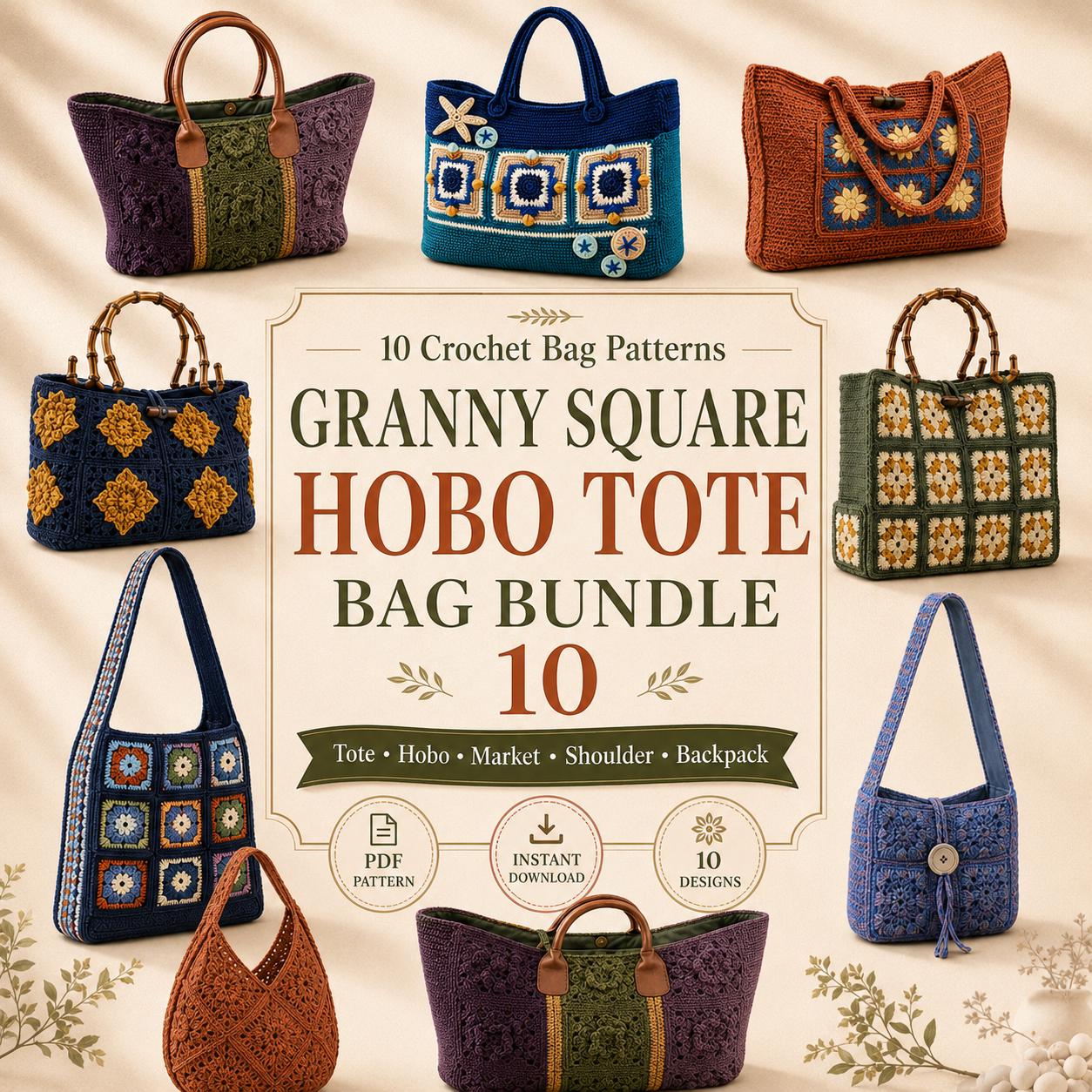
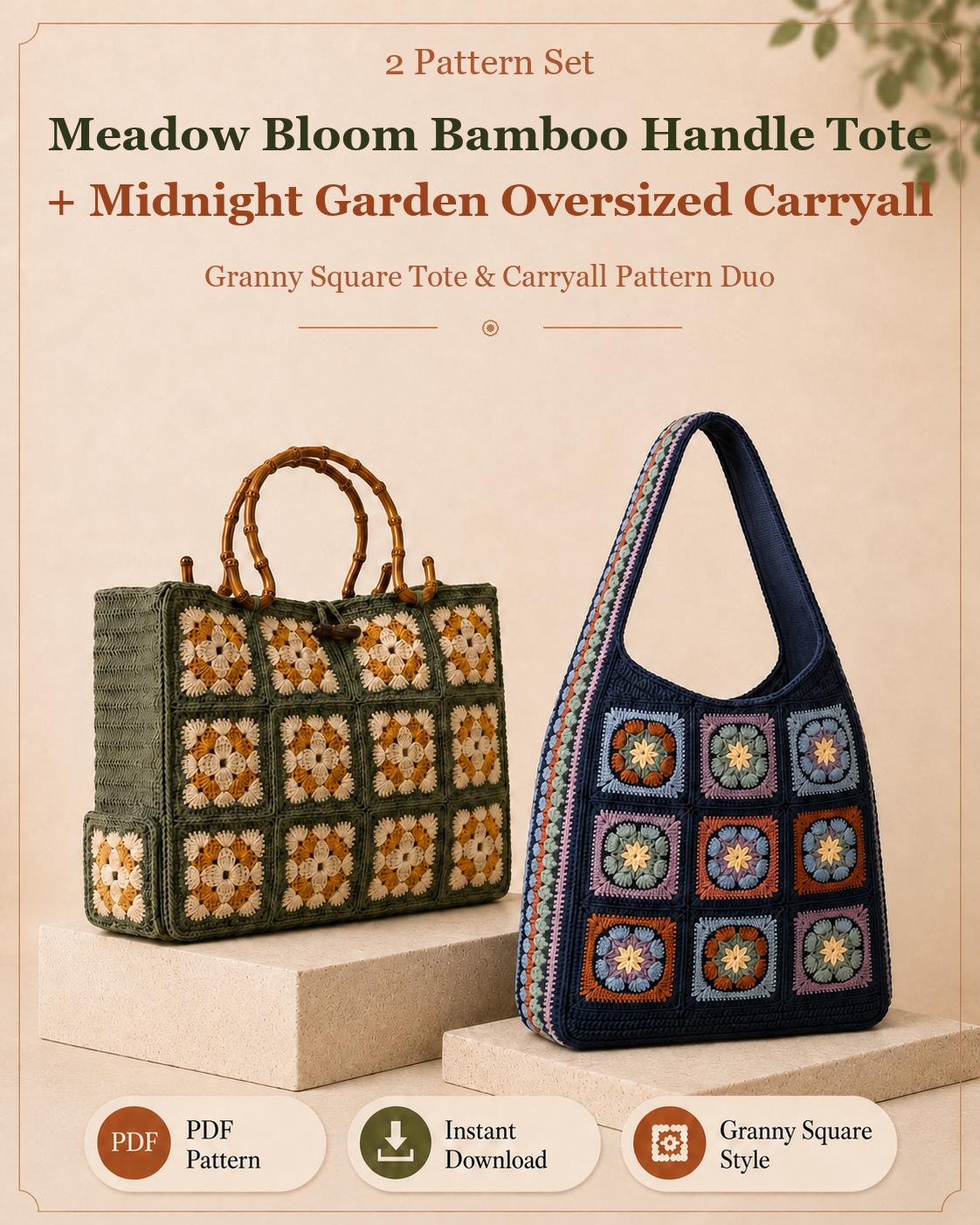
If you are ready to put these techniques to work, explore our collection of thoroughly tested bag guides. For a modern everyday carryall with clear step-by-step instructions, view the Slouchy Hobo Tote crochet pattern. If you want multiple project styles, our Crochet Bag Pattern Bundle includes granny square, hobo tote, market bag, and shoulder bag designs. For summer carryalls, compare the Bamboo Handle Handbag and Oversized Carryall Duo or the Coastal and Harvest Beach Bag Duo. You can browse all available designs in our complete crochet patterns collection.
Authoritative standards and references
This guide was tested and published on September 23, 2026. Yarn weight classifications follow the Craft Yarn Council standard yarn weight system. Tensile strength and fabric elongation concepts reference principles defined in ASTM D5034 breaking strength standards. All pattern instructions, gauge recommendations, and digital downloads are available through secure Etsy checkout from I'm in The Loop.