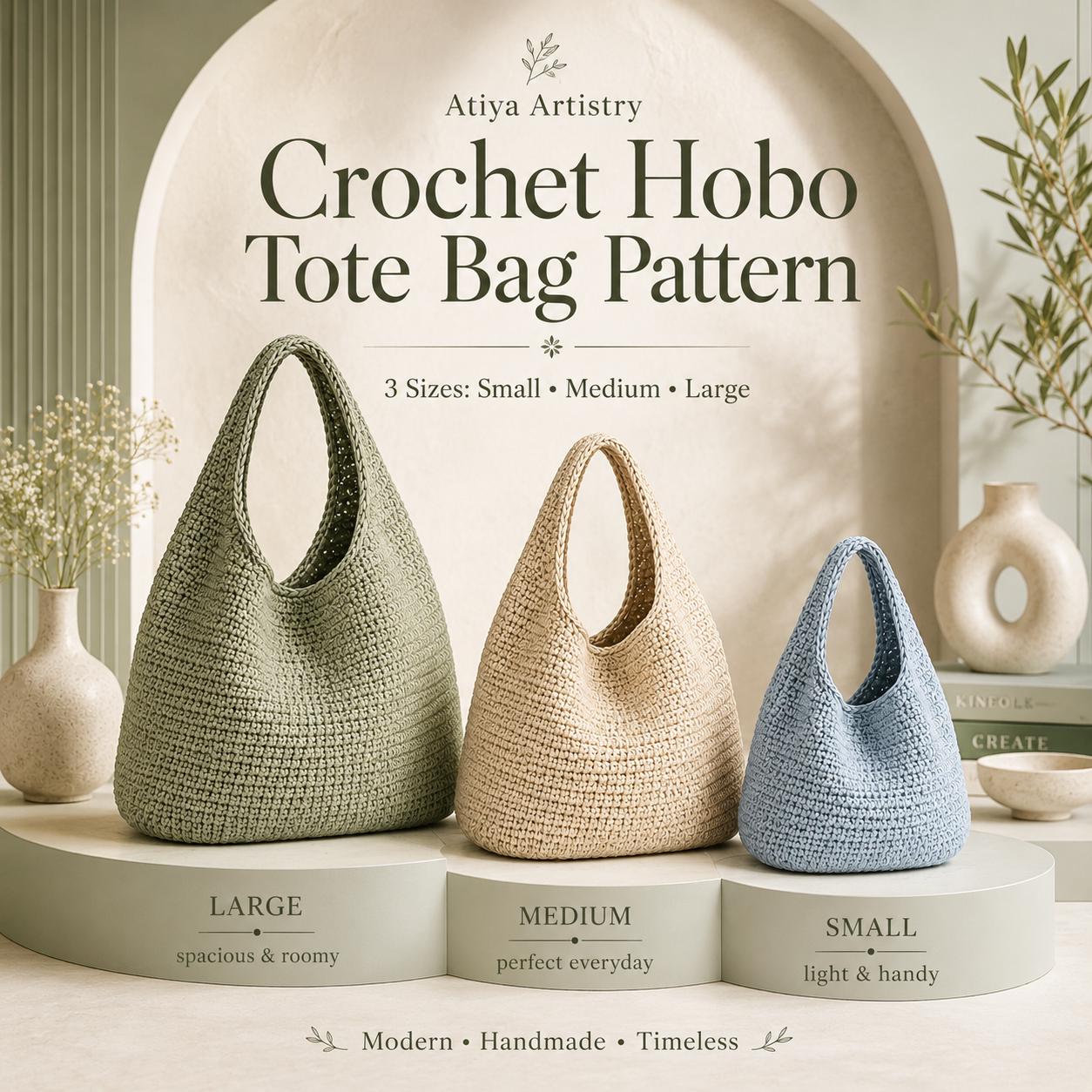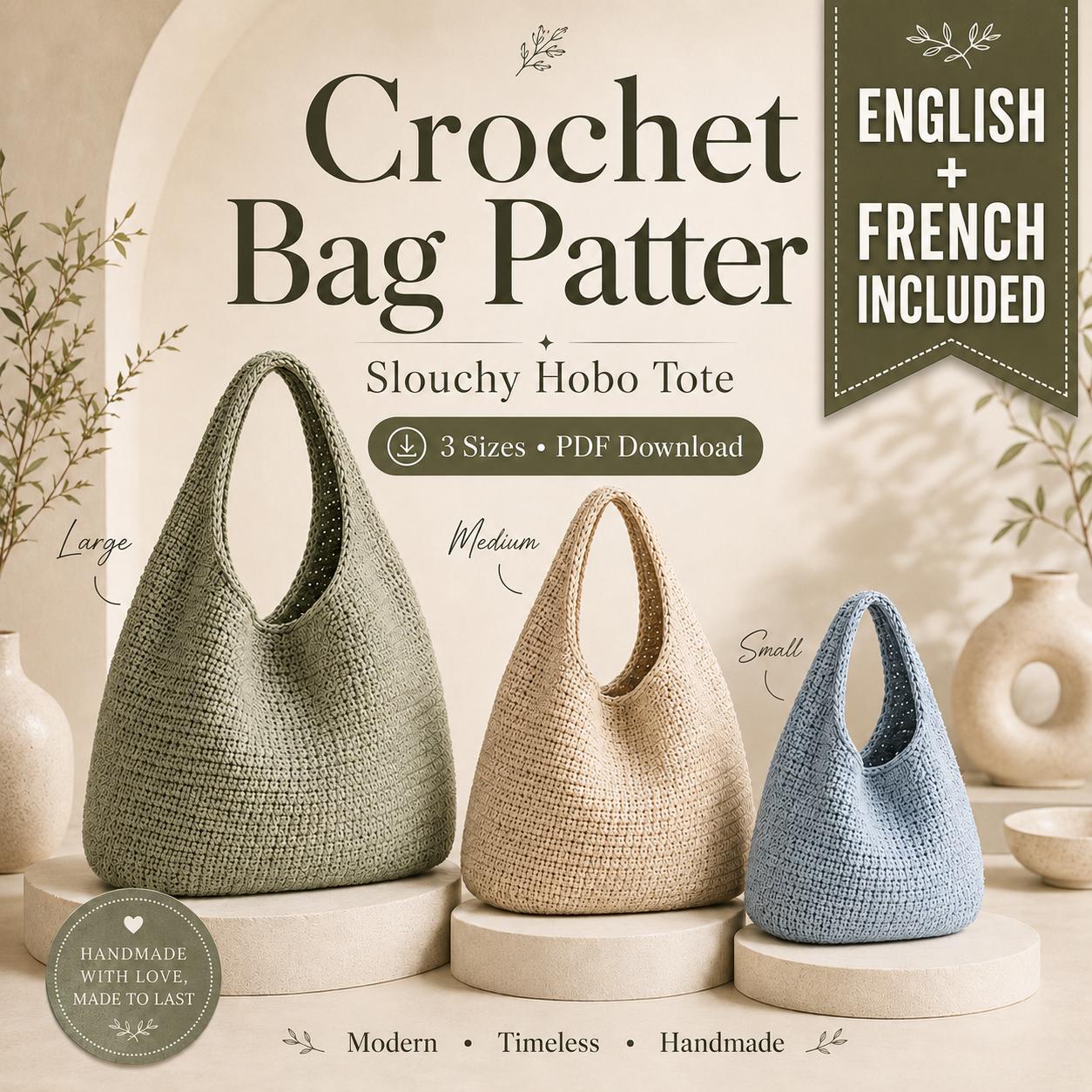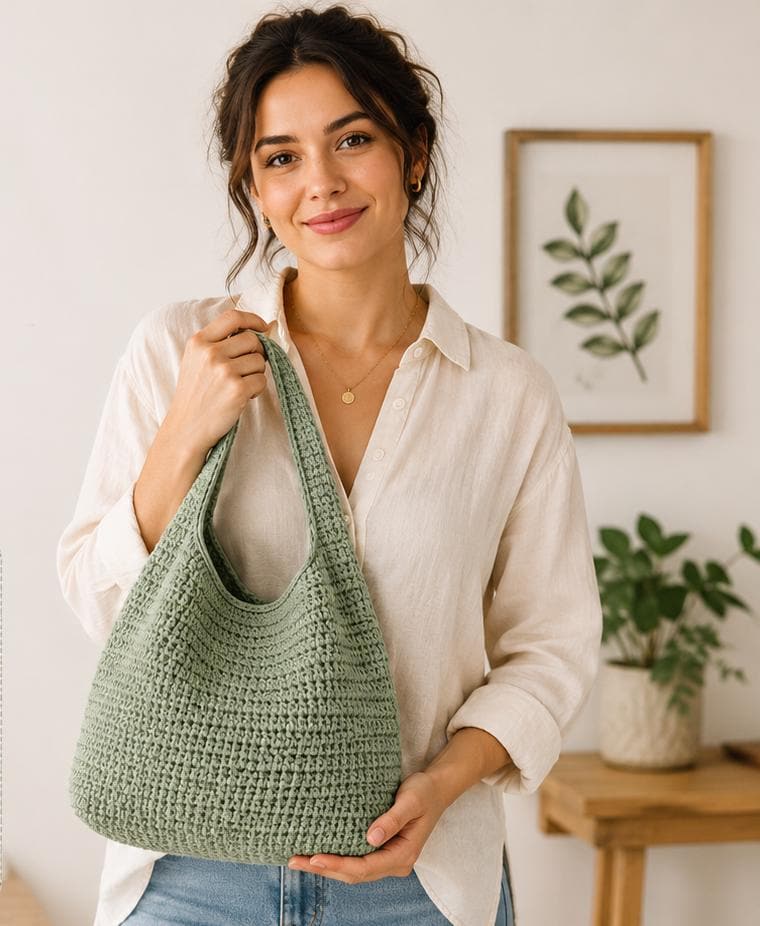
Quick answer: A successful crochet hobo bag needs a flexible but durable yarn, a dense stitch pattern, a comfortable strap, and enough structure to carry everyday items without losing the relaxed slouch that defines this style. Beginners should choose a pattern with clear stitch counts, finished measurements, progress photos, and simple construction.A handmade hobo bag is one of the most useful crochet projects because it combines wearable style with everyday function. The curved body, relaxed silhouette, and shoulder-friendly strap make it different from a rigid tote or a small purse. A well-designed crochet hobo bag pattern should explain not only the stitches, but also how the body grows, where shaping happens, how the strap is formed, and how the opening is finished.This guide covers the decisions that have the greatest effect on the finished bag: yarn, hook size, fabric density, sizing, strap construction, lining, blocking, and common mistakes. It is designed for crocheters who want to understand the project before starting a detailed PDF pattern.
What Is a Crochet Hobo Bag?
A crochet hobo bag is a soft shoulder bag with a rounded or gently tapered body. Unlike a box-shaped tote, it is designed to drape. The top usually narrows toward the strap, creating a comfortable crescent or teardrop shape when the bag is carried.The best hobo bags feel relaxed without looking stretched out. That balance comes from three things:
- A yarn that has enough strength for daily use
- A stitch pattern that limits excessive gaps and stretching
- A strap and opening that distribute weight evenly
A detailed pattern removes the guesswork by giving exact stitch counts, measurements, shaping points, and assembly instructions. This is especially useful when the same design includes more than one size.
Best Yarn for a Crochet Hobo Bag
Yarn choice affects almost every part of the bag. A soft yarn can create beautiful drape, but a yarn with very little strength may stretch once the bag holds a phone, wallet, keys, or water bottle. Cotton and cotton-blend yarns are popular because they create clear stitches and a sturdy fabric. Acrylic blends can also work when the strand is smooth and the fabric is crocheted firmly.Yarn typeMain advantagePossible drawbackBest useCottonStrong, crisp stitches, durableCan feel heavierEveryday bags and warm-weather accessoriesCotton blendStrength with added softnessStretch varies by blendSlouchy bags that still need supportAcrylicAffordable and widely availableMay stretch or pill over timePractice versions and lightweight bagsRecycled cord or tape yarnExcellent structureCan be harder on the handsMore structured statement bagsWool blendWarm texture and beautiful drapeMay felt or require careful washingAutumn and winter bagsFor most beginners, a smooth medium-weight yarn is easier to control than fuzzy, highly textured, or very thin yarn. The stitches are easier to see, counting is more reliable, and mistakes are simpler to correct. When substituting yarn, compare fiber, weight, yardage per ball, and the way the original yarn behaves. Two yarns labelled the same weight can still produce very different fabric.
How to Choose the Right Crochet Hook
The hook size printed on a yarn label is only a starting point. Bags usually need a denser fabric than garments, so a pattern may use a slightly smaller hook than the label recommends. A tighter fabric reduces large holes and slows down stretching.Before starting the full bag, make a small swatch and check three things:
- Can you insert the hook comfortably without forcing it?
- Does the fabric hold its shape when lifted?
- Are the gaps small enough for the intended use?
If the fabric feels stiff like a basket, the hook may be too small. If it becomes loose and floppy before anything is placed inside, the hook may be too large. Follow the gauge and hook guidance in the chosen pattern rather than relying only on the yarn label.
Understanding Hobo Bag Construction
There are several ways to construct a hobo bag. Some designs begin at the base and grow upward in rounds. Others are worked as flat panels and joined. A seamless construction reduces assembly, while panel construction can make shaping easier to understand.Construction methodHow it worksWhy crocheters choose itBottom-up in roundsThe base is created first, then the body grows upwardMinimal seaming and a smooth finishTop-downThe opening and strap area are established firstUseful for integrated straps and shapingTwo panelsMatching front and back pieces are joinedEasy to lay flat, measure, and lineOne shaped pieceA single piece is folded or joined strategicallyModern construction with fewer separate partsBefore the first stitch, read the complete pattern once. Identify where increases stop, where the body begins, and where the strap shaping starts. This mental map prevents confusion later because every section has a clear purpose.
How to Pick the Right Bag Size
A small hobo bag works well for a phone, cards, and keys. A medium bag suits everyday errands, while a large size can carry a notebook, small project pouch, or light daily essentials. Bigger is not always better. A large crochet bag needs more support because additional contents place more stress on the strap and fabric.SizeTypical useImportant considerationSmallPhone, wallet, keysKeep the opening secure and easy to accessMediumDaily essentials and small accessoriesBalance capacity with strap comfortLargeNotebook, project pouch, light shoppingConsider lining and strap reinforcementIf you are between sizes, compare the finished measurements with a bag you already own. Lay the existing bag flat and measure its width, height, and strap drop. This gives a more useful comparison than relying on labels such as small or large.
How to Prevent a Crochet Bag From Stretching
Stretching is one of the most common concerns with handmade bags. It cannot always be eliminated, but it can be controlled.
- Use a strong yarn with limited elasticity.
- Maintain the pattern gauge instead of crocheting loosely.
- Avoid an excessively long strap.
- Reinforce stress points where the strap joins the body.
- Add a fabric lining when the bag will carry heavier items.
- Store the bag empty instead of hanging it while loaded.
A lining does more than hide the inside stitches. It supports the base, prevents small objects from slipping through, and protects the crochet fabric from sharp items. Beginners who are not comfortable sewing can start with a simple rectangular lining and attach it by hand around the opening.
Strap Length and Comfort
The strap determines where the bag sits against the body. A short shoulder strap keeps the bag close under the arm. A longer strap creates a deeper drop and more relaxed appearance, but it can increase stretching.Measure from the top edge of the bag to the point where you want the bag to rest. Remember that the filled bag may hang lower than the empty bag. When the pattern provides multiple sizes, do not automatically use the longest strap. Match the strap to your height, preferred carrying style, and expected contents.For additional strength, some crocheters work the strap with a smaller hook, add a row of slip stitches, or sew a narrow ribbon to the underside. Only make structural changes after understanding how the pattern forms the strap.
Common Crochet Hobo Bag Mistakes
1. Skipping the gauge check
A small gauge difference repeats across many stitches and rows. The final bag can become much wider, shorter, or looser than expected.
2. Losing the beginning of the round
Use a stitch marker and move it after every completed round. Counting only at the end of a long section makes errors harder to locate.
3. Adding accidental increases
The first or last stitch can be mistaken for part of the round. Check the stitch count regularly, especially near shaping sections.
4. Choosing yarn for appearance alone
A beautiful yarn may not have the strength needed for a functional bag. Consider weight, stretch, friction, and washing requirements.
5. Finishing without testing the strap
Temporarily pin or hold the strap at the intended length and test the bag on your shoulder before completing the final join.
6. Carrying heavy items before the bag settles
New crochet fabric can change slightly during first use. Begin with light contents and observe how the strap and body respond.
Blocking and Finishing
Blocking helps even the stitches and settle the finished shape, but the correct method depends on the yarn fiber. Cotton can often be gently wet blocked, while acrylic usually responds better to careful steam held above the fabric. Never press a hot iron directly onto synthetic yarn.After blocking, weave in yarn tails securely. Stress points deserve extra attention. Check the strap joins, opening, base, and any decorative attachments. If the bag includes a button or closure, make sure it opens comfortably without pulling the surrounding stitches out of shape.
How to Care for a Handmade Crochet Bag
Empty the bag before cleaning and follow the yarn label. Hand washing is often the gentlest option, especially when the bag includes a lining, hardware, or reinforced strap. Reshape the bag while damp and dry it flat. Avoid hanging a wet bag because the weight of the water may stretch it.Between washes, remove dust with a soft brush or lint roller and spot-clean minor marks. Store the bag flat or loosely filled with tissue so the shape is supported.
Is a Crochet Hobo Bag Beginner-Friendly?
Yes, a crochet hobo bag can be beginner-friendly when the pattern uses basic stitches, clear shaping, and detailed instructions. The project is more involved than a coaster, but it teaches useful skills: maintaining gauge, working repeated sections, reading stitch counts, shaping a three-dimensional object, and finishing a wearable accessory.A beginner should look for a pattern that includes:
- Standard US crochet terminology
- A complete materials list
- Finished measurements
- Stitch abbreviations
- Step-by-step photos or diagrams
- Clear instructions for the strap and opening
- More than one size when possible
Ready to make your own? Explore Atiya Artistry’s crochet patterns and find the slouchy hobo tote design in the Etsy shop: Shop crochet patterns on Etsy.
Frequently Asked Questions
What yarn is best for a crochet hobo bag?
Cotton or a strong cotton blend is a dependable choice because it offers durability, visible stitch definition, and controlled stretch. The exact yarn weight should match the pattern.
Should a crochet bag be lined?
A lining is optional for a light decorative bag, but it is recommended when the bag will carry small or heavier objects. It improves structure and protects the crochet fabric.
How do I make a crochet bag strap less stretchy?
Use a dense stitch, keep the strap from becoming unnecessarily long, reinforce the joins, and consider adding slip stitches, ribbon, or fabric support.
Can a beginner crochet a shoulder bag?
Yes. Choose a pattern with basic stitches, exact counts, progress photos, and simple construction. Read the full pattern before starting and use stitch markers throughout.
How much yarn does a crochet hobo bag use?
The amount depends on the size, yarn weight, stitch density, and strap length. Always use the yardage listed in the pattern and purchase a little extra when dye-lot consistency matters.
Can I use acrylic yarn for a crochet bag?
Yes, especially for lightweight use, but test the fabric because some acrylic yarns stretch more than cotton. A lining can improve support.
Final Thoughts
A crochet hobo bag is a satisfying project because the finished item is both handmade and genuinely practical. The strongest results come from careful preparation: choose appropriate yarn, test the fabric, understand the construction, and measure the strap before finishing. Once those decisions are correct, the relaxed shape can develop naturally without sacrificing strength.For a polished design with guided sizing and detailed instructions, visit Atiya Artistry on Etsy and browse the available digital crochet patterns.